Case Studies
The power of daily routines
The challenge
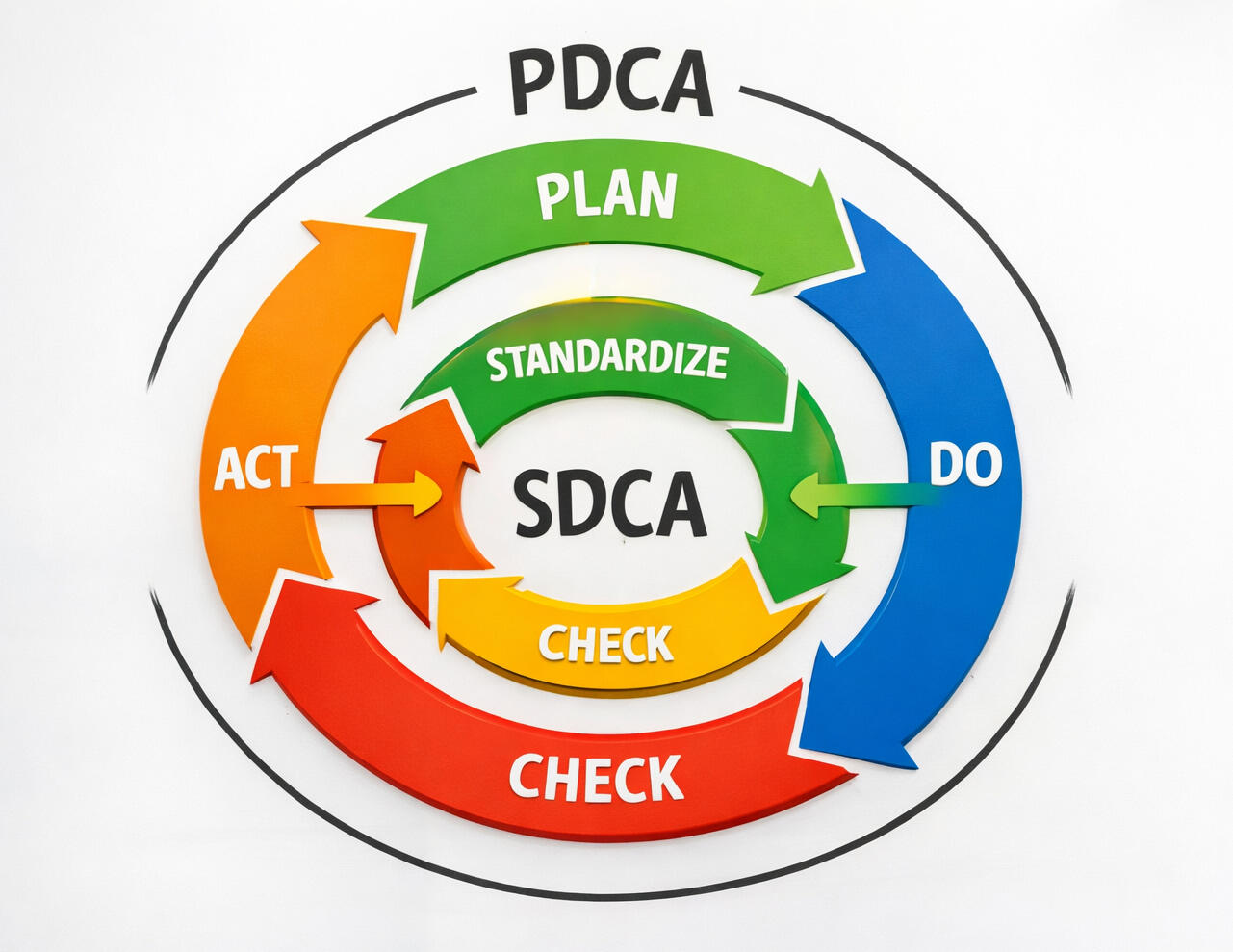
The first pilot of a transformation program had failed, generating strong resistance on the factory floor. I joined the internal team, initially observing the consultant, before we launched a second pilot in an effort to save the program.The analysis led to a key realization: it wasn’t enough to improve the existing proposals. We needed to change the way we approached transformation before rolling it out to more factories.
The Transformation
The key was that while the objective of improving productivity, reducing costs, and generating savings remained the same, we radically changed how we would achieve it.Together with the leadership and operators, we built a simple management system around clear measures, ownership, daily routines, standards, and continuous improvement. We built on existing best practices, addressed root causes, and focused on the biggest losses.The focus shifted from delivering a big improvement in a few months to building a system that made performance more efficient, predictable, and sustainable.
Results
- Reduced waste, scrap, and maintenance costs
- Improved efficiency, reliability, quality, and productivity
- Established a set of daily routines based on standards, ownership, and continuous improvement
Driving Operational Excellence Through Productivity
The challenge
An organizational change created an opportunity to rethink how resources were allocated across the spare parts warehouse and workshops, which operated largely as separate activities.The objective was not simply to reduce headcount, but to free up capacity without increasing workload and redeploy it where it could create greater value.
The Transformation
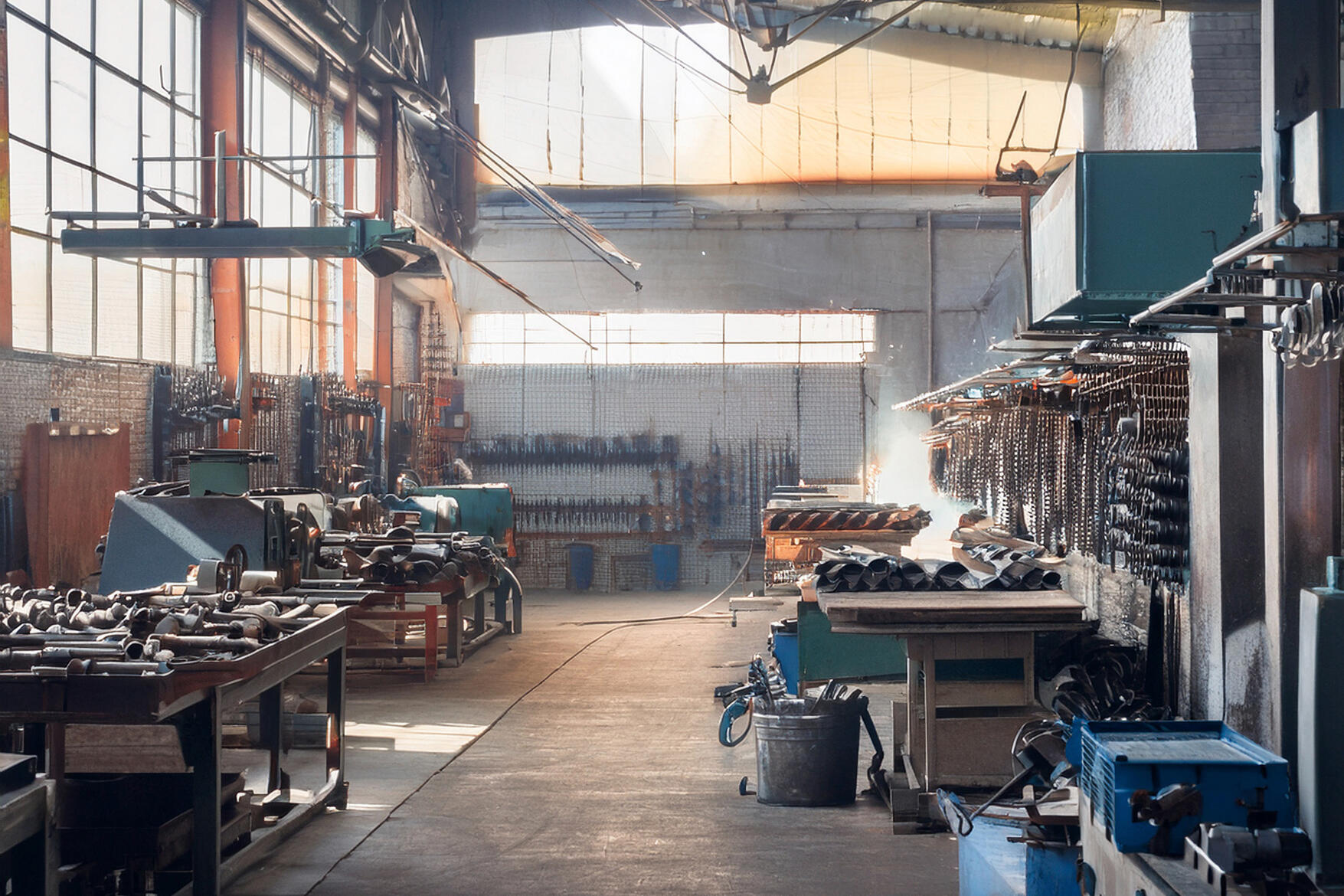
We had already redesigned the spare parts warehouse organization, reducing the resources dedicated to it and reallocating capacity to machine operators.Leveraging that change, we decided to integrate the different workshops around a common workflow, a model similar to an automotive workshop. We actually benchmarked against external car dealerships.We also developed multi-skilling, enabling people to have backups and broaden their capabilities. Which allowed the team to focus on systemic improvements and higher-value initiatives.

Results
- Savings projects exceeded planned targets.
- Achieved benchmark performance in inventory and expenses.
- Expanded team capabilities through multi-skilling and Improved work-life balance & well-being.
- Created new development opportunities within the global team.
Millions through collaboration with a global FMCG network
The challenge
The company was using a relative indicator to measure raw material consumption, which did not reflect the actual losses. We worked across Finance, IT, and the factories to redefine the measurement and build a reliable reporting system.But getting the numbers right was only the first step. We needed to connect them to what was physically happening in the factories and identify where the real opportunities were.
The Transformation
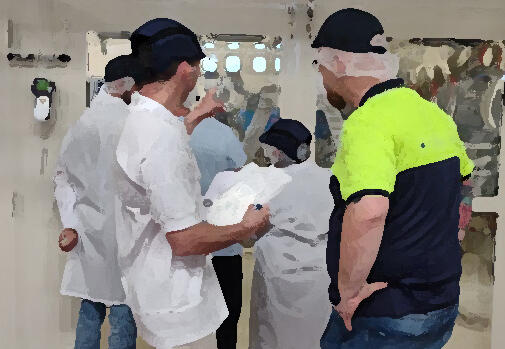
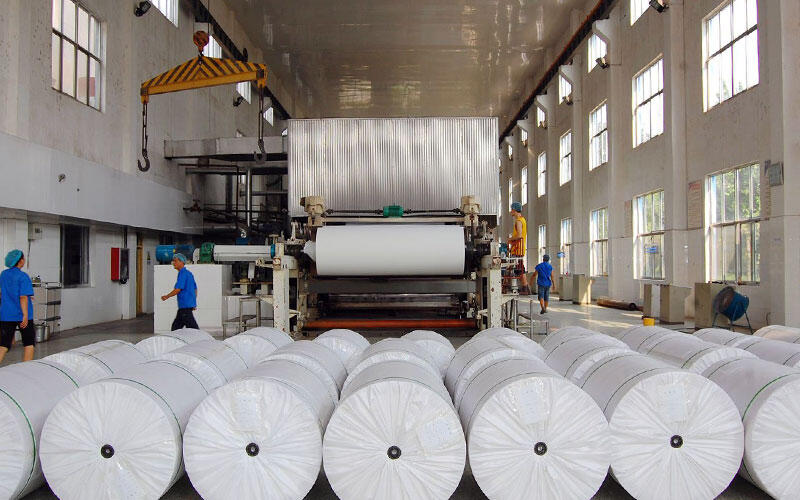
We validated the data on the floor through a Supply Chain Walk in each factory, identifying the main losses and prioritizing for each factory its Top 5 opportunities.We connected the factories through a global network to share opportunities, solutions, and learnings, and deployed action plans locally and globally.The opportunities spanned the entire system, from product development and supplier contracts to production lines, process control, and operator standards, requiring action across both daily operations and global processes.

Results
- Millions of euros in savings across different areas.
- 6% global improvement in raw material consumption.
- Standardized processes and improved machine performance.
- Improved new project and procurement processes, positively impacting profit margins.